



Role-Based Access Control for Access Governance
Simplifying access management, enforcing least privilege, and streamlining compliance.
Manually assigning permissions to users is error-prone and unscalable, creating IT bottlenecks and delaying critical access.
RBAC simplifies access management through role-based grouping, enabling instant, consistent permission updates.
Without structured access control, users accumulate unnecessary permissions over time, expanding the attack surface and increasing risks.
RBAC enforces least privilege by granting users only required access, minimizing exposure and reducing impact.
Fragmented access policies make it difficult to prove who has access to what, increasing audit failures.
Centralized RBAC delivers clear, auditable role-to-permission mappings, enabling accurate reporting and compliance
What is role-based access control
Role-Based Access Control (RBAC) simplifies access management by assigning permissions to roles. You define what each role can do, then assign users to those roles.
The core componentsof role-based access control

Users
Identities such as employees, partners, or customers who access applications and inherit permissions through the assigned roles.

Roles
Groups permissions enabling scalable, structured access when assigned to users or groups.

Groups
Collections of users, often synced from directories; assigning a group to a role instantly grants access to all members.

Permissions
Specific actions allowed on resources such as read, write, delete, or approve.
Benefits of role-based access control
Eliminate administrative chaos
Group permissions into roles to onboard employees or grant customer access instantly removing manual provisioning.
Enforce least privilege automatically
Ensure every identity from remote employees to third-party partners accesses only the specific resources required.
Streamline customer experience
Unlock premium features or portal content for customers the moment their subscription status or tier changes.
Accelerate global onboarding
Assign predefined roles during registration to ensure new hires or B2B partners have immediate, secure access.
Role-based access control with WSO2 Identity Platform
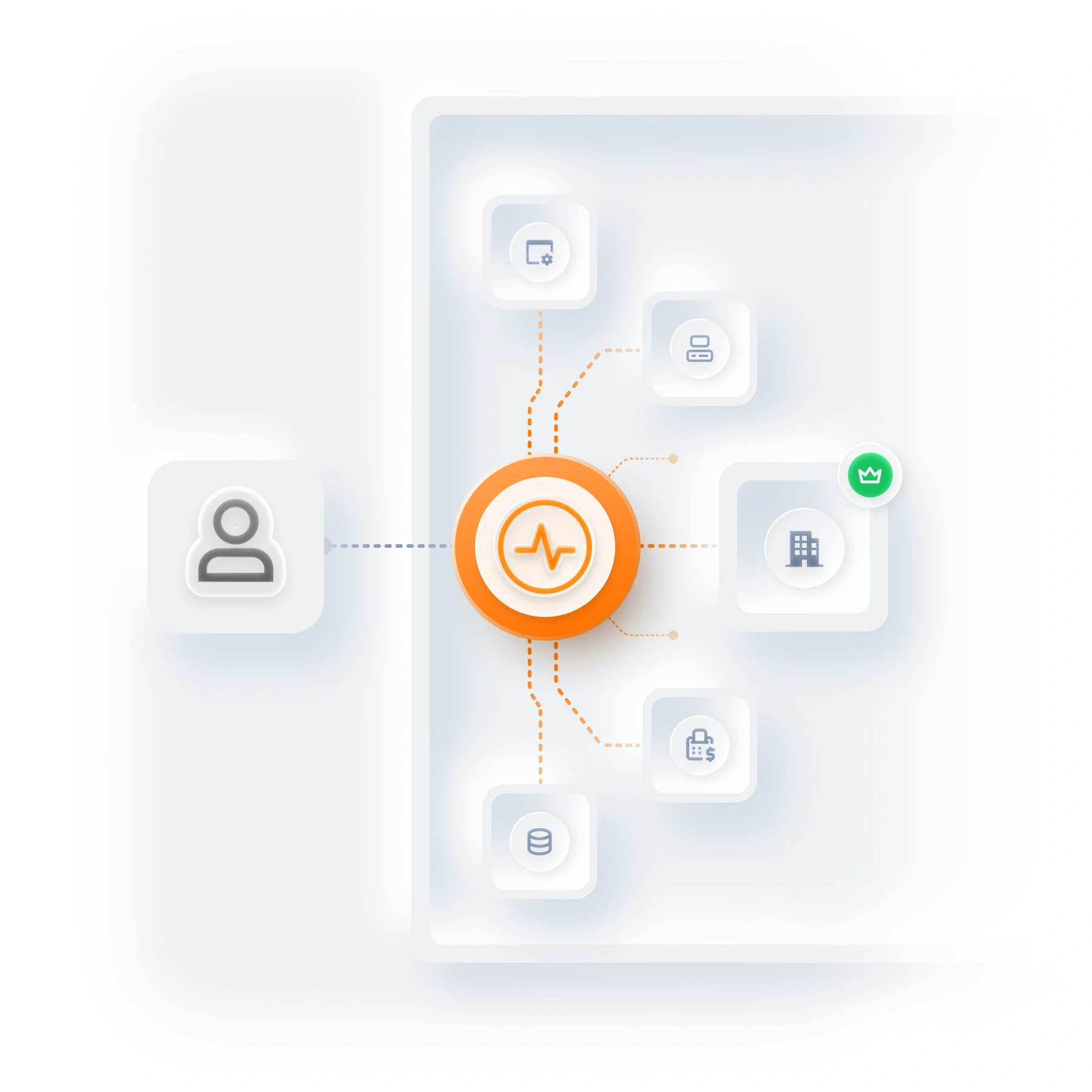
Scalable customer Aacess
Provision users into groups at registration so they inherit roles instantly, enabling personalized interfaces and seamless access as they upgrade subscription tiers.
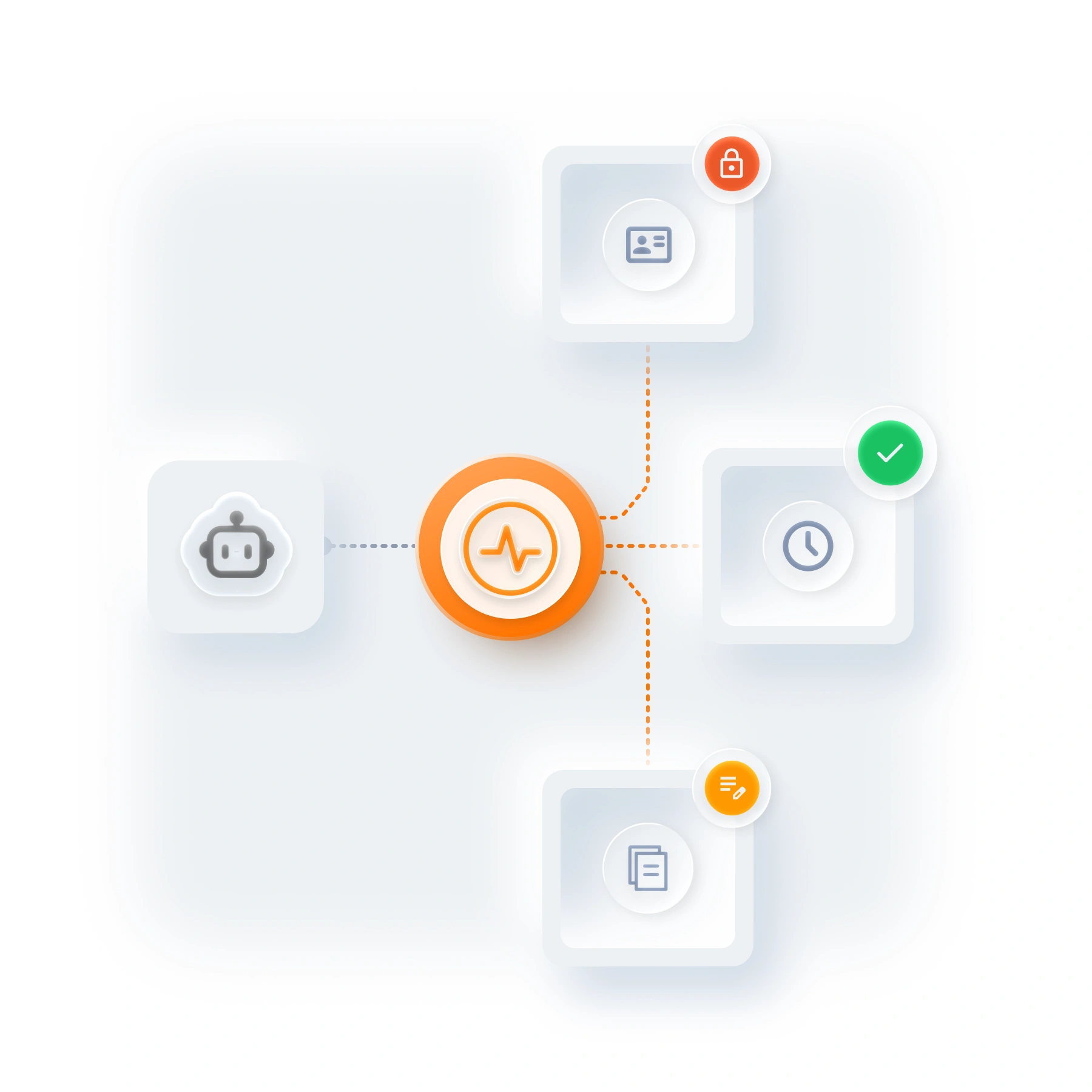
Govern AI agent access
Assign roles to AI agents via WSO2 Agent ID for self-access and delegated human tasks. Enforce least-privilege, just-in-time access limited to essential permissions, and audit all actions.
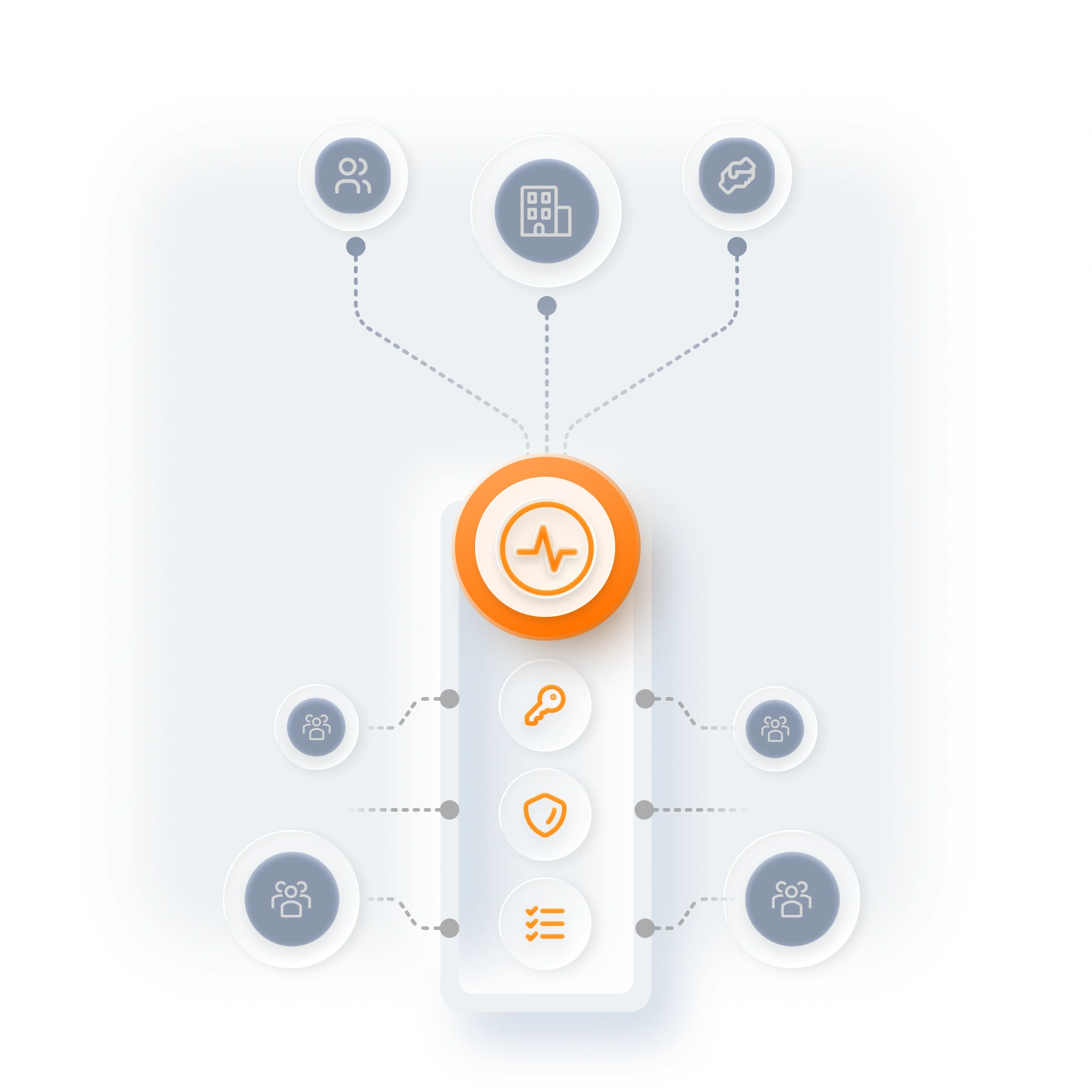
B2B access control
Empower B2B customers, partners, and sub-brands by delegating admin control to their teams. Use WSO2 Organization Management to share roles, define access, enforce policies.
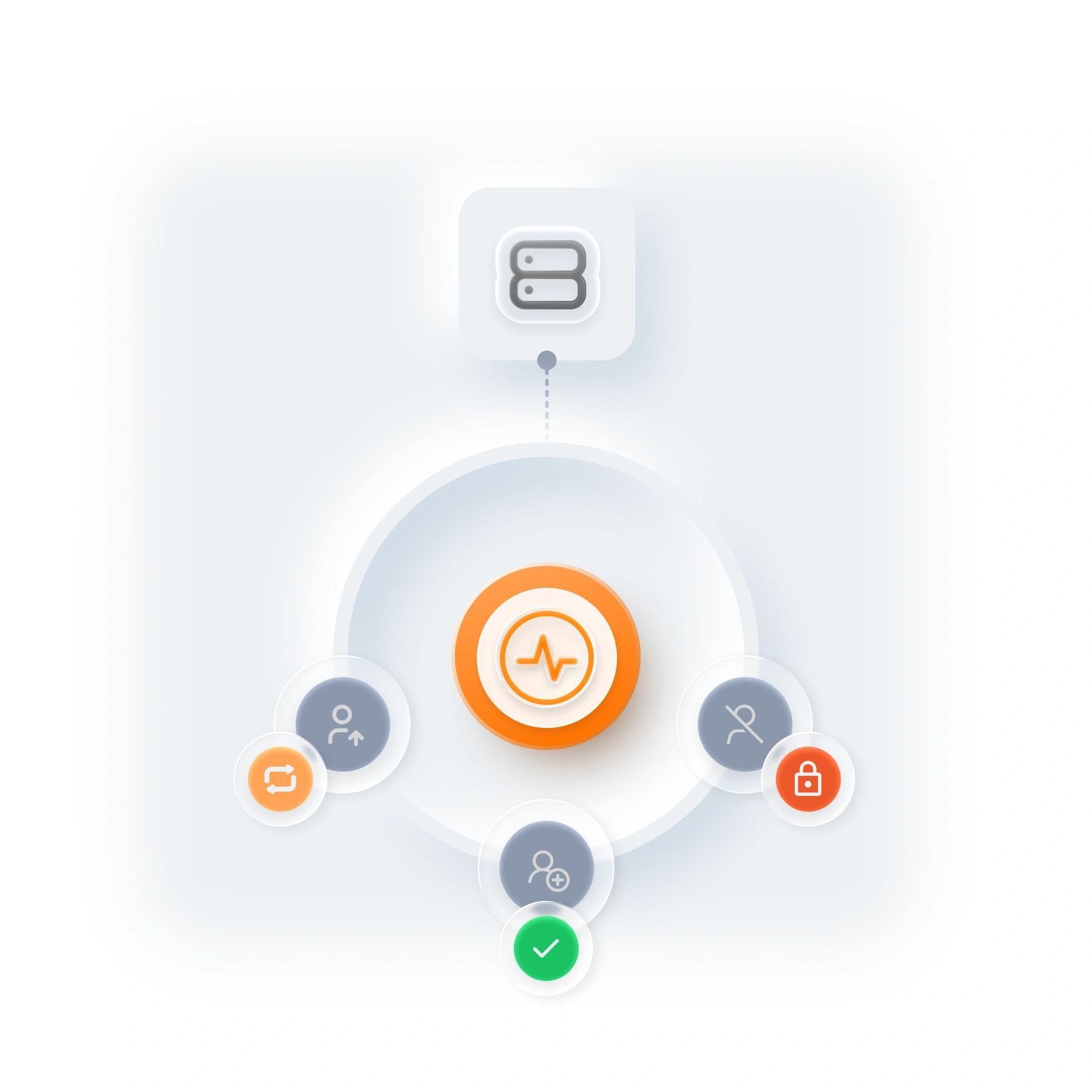
Automated workforce access
Sync enterprise directory groups with roles for automatic employee provisioning and access updates as users change roles or locations. Automate the joiner-mover-leaver lifecycle to prevent orphan accounts.