



Eliminate Account Takeovers with Adaptive MFA
AI-assisted drag & drop adaptive MFA for risk-based user authentication and secure access.
Passwords are high-value targets for phishing, brute-force, and credential stuffing, making human behavior the biggest security weakness.
Adaptive MFA uses dynamic intelligence analyzing contextual risk signals to trigger extra verification only when threats are detected.
Single-factor authentication is defenseless against modern automated attacks. Without contextual awareness it cannot detect AI-driven cyberattacks.
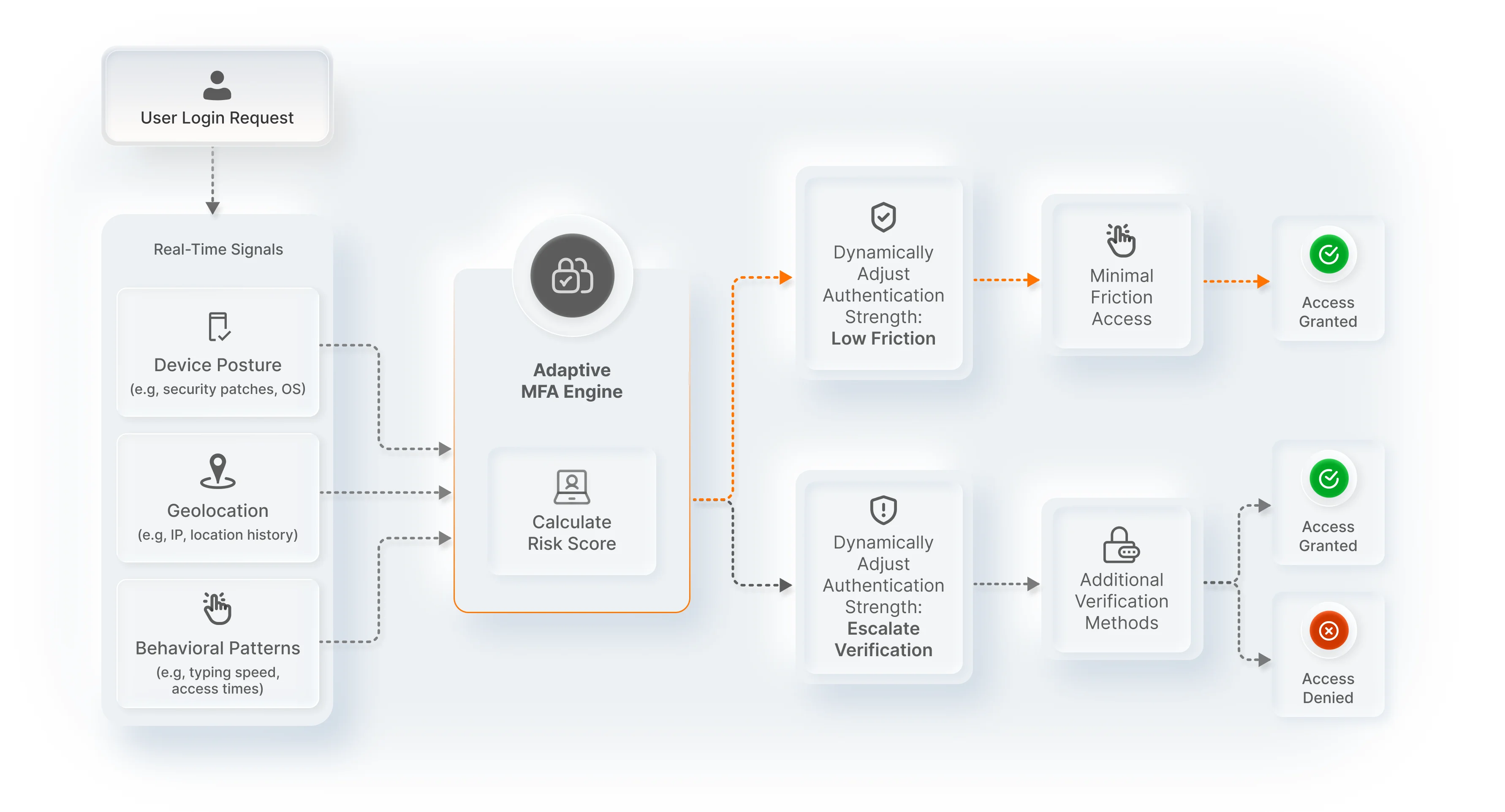
Each login is evaluated using real-time contextual risk analysis. Adaptive MFA applies additional authentication proportional to the assessed risk.
Privacy standards like GDPR and CCPA, financial regulations like PCI and PSD2, and healthcare mandates like HIPAA require Strong Customer Authentication.
Adaptive MFA ensures compliance with global privacy and financial standards, securing sensitive data based on real-time risk.
What is MFA?
Multi-Factor Authentication (MFA) uses multiple verification methods, such as passwords, devices, or biometrics, to validate identity and prevent single-factor access. Two-Factor Authentication (2FA), the most common MFA form, requires exactly two factors, typically a password and a one-time passcode (OTP).
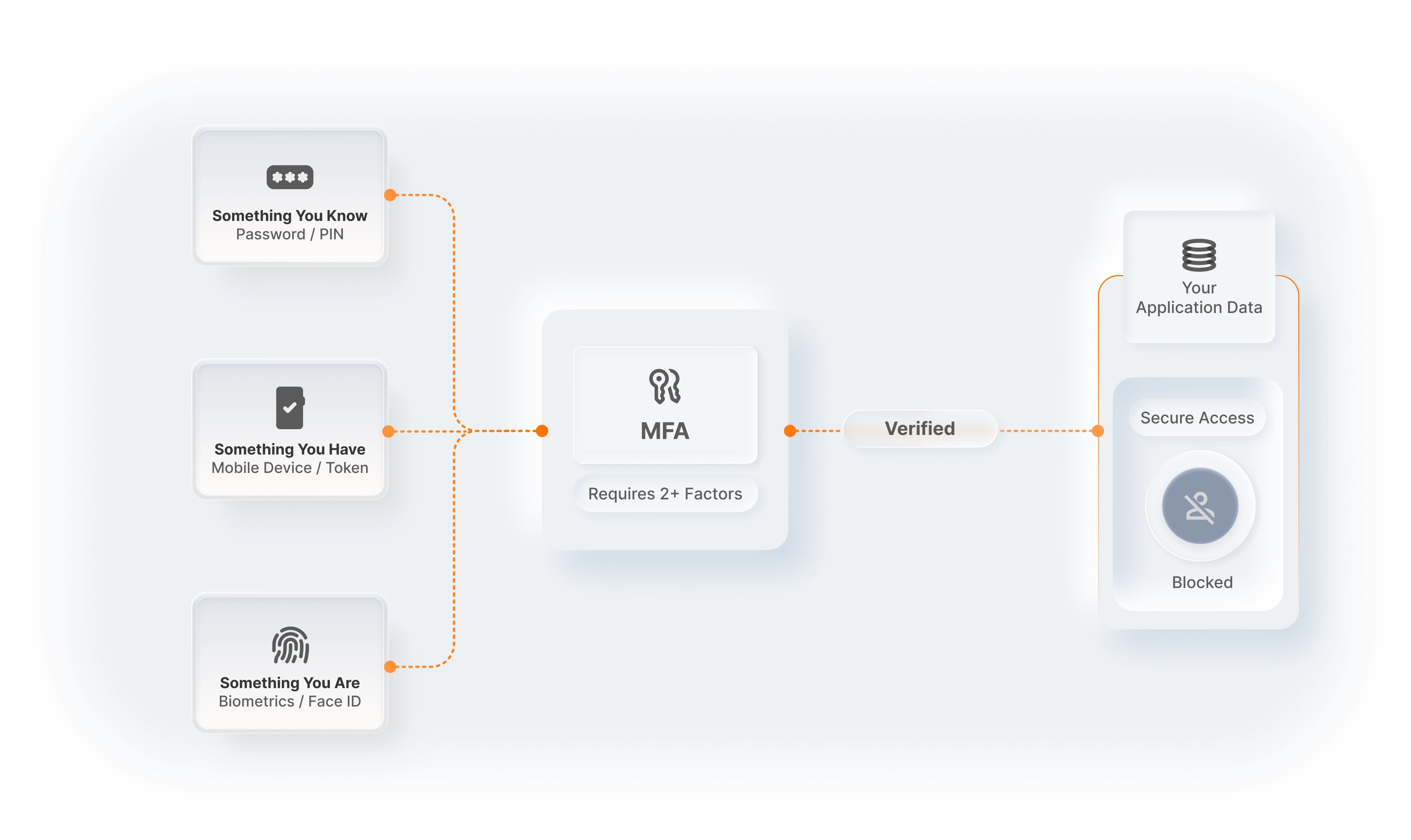
What is adaptive MFA?
Adaptive MFA evaluates real-time signals such as device posture, geolocation, and behavioral patterns to calculate risk. It dynamically adjusts authentication strength, minimizing friction for low-risk access while escalating to additional verification methods when threats are detected.
Benefits of adaptive MFA
Eliminate single-factor risk
MFA protects accounts even if passwords are stolen, adding independent security layers.
Defend against AI-driven threats
Real-time intelligence detects and blocks sophisticated automated attacks that passwords alone can’t stop.
Reduce MFA fatigue with adaptive intelligence
Context-aware MFA challenges users only when risk is high, minimizing friction for trusted logins.
Strong security without sacrificing UX
Seamless “just-in-time” login keeps users productive while escalating verification on threats.
Meet global compliance standards
Comply effortlessly with GDPR, PSD2, HIPAA, and Strong Customer Authentication (SCA) requirements.
Adaptive MFA withWSO2 Identity Platform
Passkeys
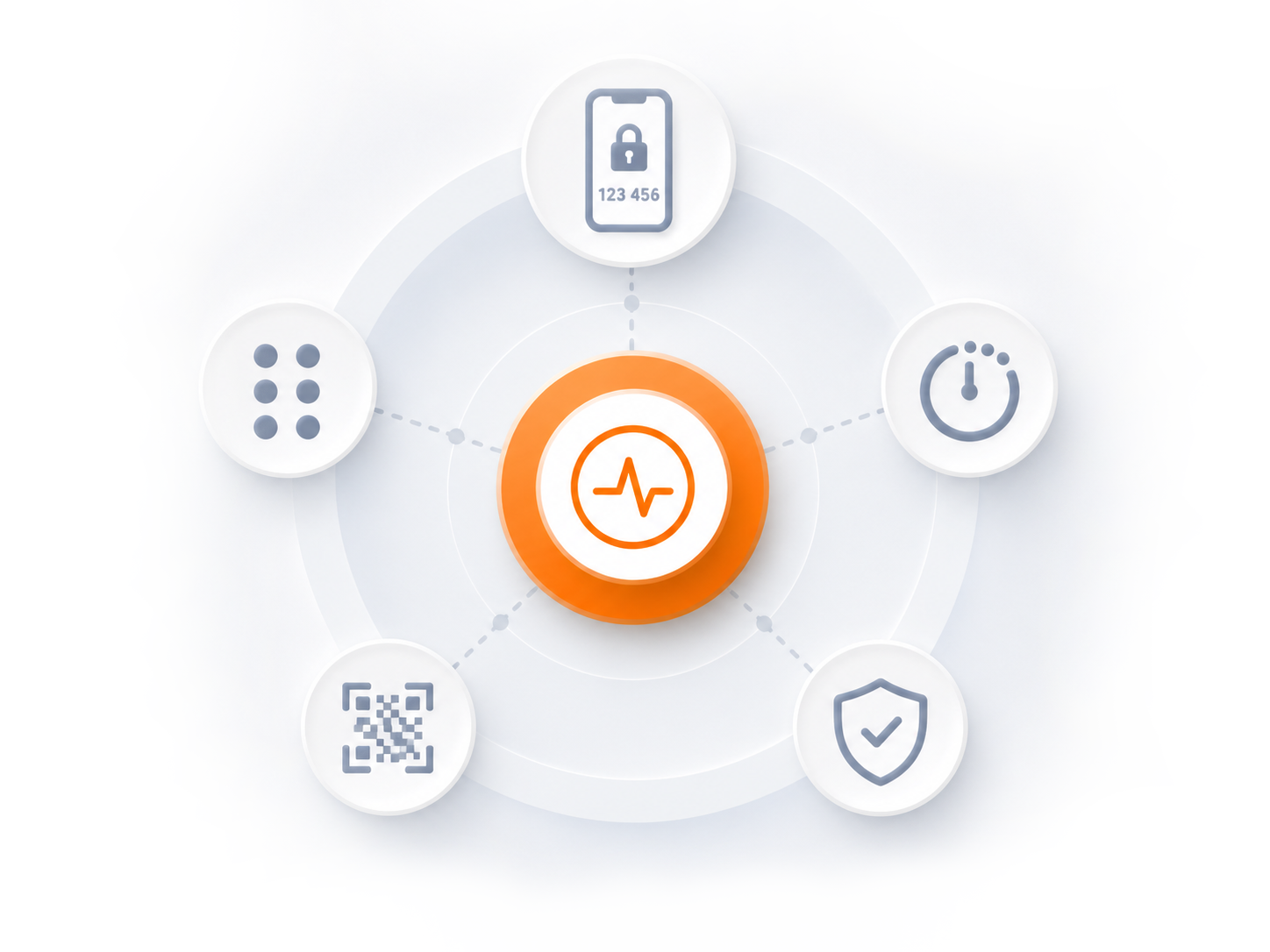
Provides a fast, phishing-resistant, and passwordless login method supported by modern browsers and mobile devices by leveraging device-based biometrics.
Authenticator App (TOTP)
Generates secure, time-sensitive verification codes offline using industry-standard apps like Google Authenticator or Microsoft Authenticator.
Push notification
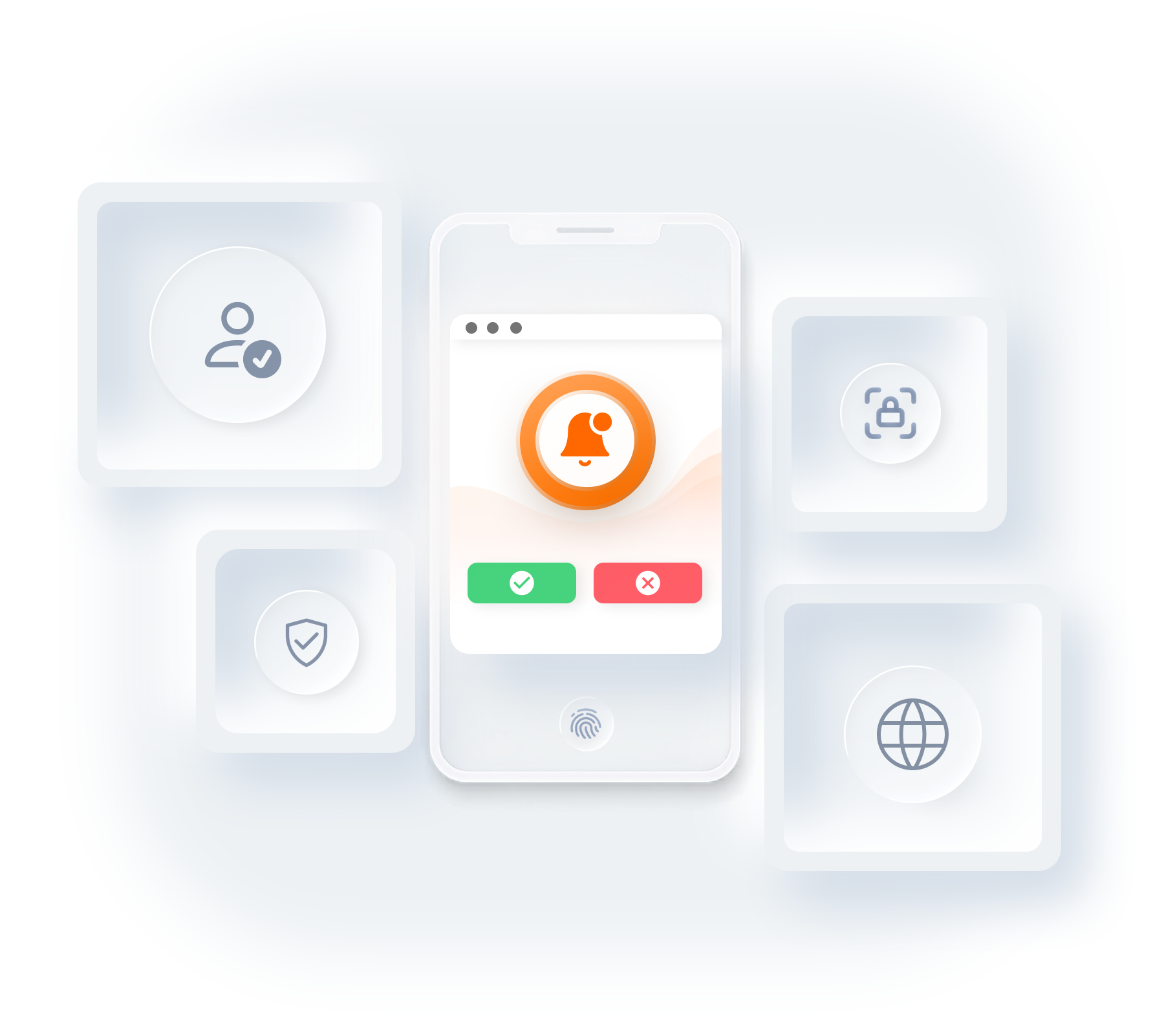
Simplifies the user journey with a single-tap "Approve" or "Deny" prompt sent directly to a mobile device.
Magic link
Delivers a frictionless login experience by allowing users to authenticate securely via a one-time link sent directly to their inbox.
SMS and email OTP
Ensures universal accessibility with widely-supported, one-time verification codes delivered instantly via text message or email.
Connect to leading Auth and fraud providers
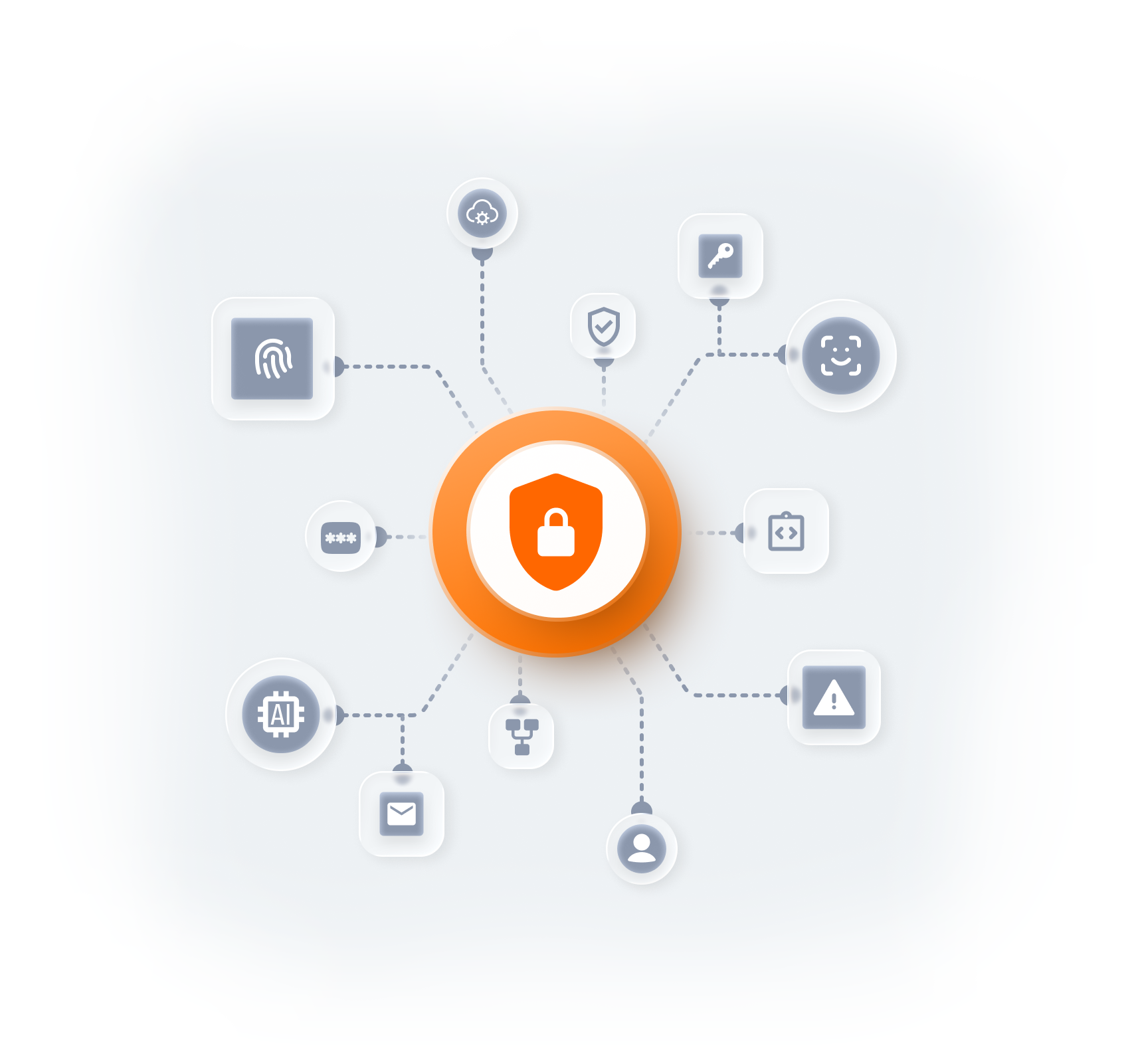
Provides built-in integrations with AI-powered, biometric authentication providers including FIDO2, Duo, HYPR, iProov, and TypingDNA, and integrates with fraud intelligence services such as Sift.
Make adaptive MFA easy
for developers
Create apps using SDKs with customizable, pre-built UI components
Native SDKs
Quickly integrate Magic link, OTP, and TOTP with native SDKs for React, Next.js, and more.
Pre-built UI components
Drop in ready-made fully customizable <SignIn /> and <SignUp /> components optimized for Magic link, SMS OTP, and TOTP.
API-first architecture
For custom workflows, leverage our REST APIs to trigger and verify SMS/Email OTPs or validate TOTP codes.