





Accelerating Platformless Modernization With Choreo
As organizations navigate the complexities of enterprise application modernization, traditional approaches to infrastructure management slows down innovation. Choreo redefines modernization with a Platformless approach—empowering developers to build, deploy, and manage applications without the friction of infrastructure complexities. By leveraging AI-native automation, self-service workflows, and best-in-class developer experience, Choreo eliminates bottlenecks in software delivery while maintaining security, compliance, and scalability.
Speakers
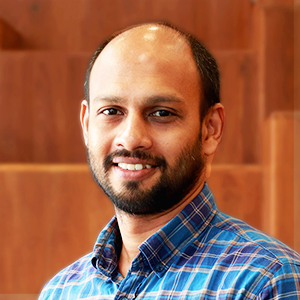

Nuwan Dias is a Vice President and Deputy Chief Technology Officer (CTO) at WSO2, where he leads advancements in Platform Engineering, API management and Cloud-Native architectures. He is the Product Manager for Choreo, WSO2’s AI-Native Internal Developer Platform (IDP). With over 15 years of experience, Nuwan has played a key role in shaping WSO2's products and has contributed with architectures and solutions for Fortune 500 companies, including Boeing, Verizon, Nissan, eBay and more. Nuwan is the author of Microservices Security in Action and a prominent speaker at global tech conferences, where he shares insights on the future of Platform Engineering, API management and Security.
The Modernization Mindset – Rethink, Adapt, Evolve
Modernization isn’t just about technology—it’s about how you think. The right tools enable transformation, but true modernization starts with a mindset shift. Balancing technology and strategy is key to avoiding outdated playbooks and unlocking continuous evolution. It’s time to rethink, adapt, and evolve.
Speakers
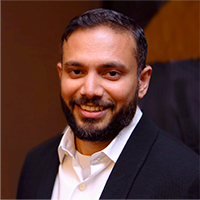
Asanka's goal is to connect humans and technology by educating the community and helping organizations become digitally driven. Despite having high-level technical objectives, he truly enjoys writing code. He shares his knowledge on various technical topics by creating content like articles, blogs, and podcasts to educate the community. Additionally, he engages with the community through speaking engagements and conducting workshops. He strives to be a trusted advocate for digital strategists, helping enterprises transform into digital-driven organizations. With over 20 years of industry experience, he has gained valuable insights into designing and implementing highly scalable distributed systems, microservice architectures, and business integration solutions. His areas of specialization include application architecture and development using modern programming technologies.
From Niche to Norm: Platforms, Open Source, and What's This Got to Do with Modernization?
Over the last decades, two major developments have shaped the world of software: the rise of platforms and the rise of open source.
Speakers
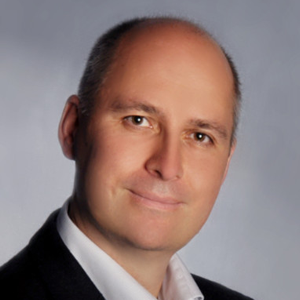

As CTO (EMEA) at SUSE, Dr. Gerald Pfeifer leverages his experience in cloud native and infrastructure technologies, software development, and open source to articulate, drive, and promote SUSE's technology vision. He enjoys engaging with users, partners, and in the open source realm where he's been active longer than that term exists and currently chairs the board of openSUSE.
AI for Code, Code for AI
Join Dr. Rania Kalaf in her keynote, "AI for Code, Code for AI," where she explores the dynamic relationship between artificial intelligence and software development. With a distinguished career spanning IBM Research and groundbreaking contributions to AI engineering, Dr. Kalaf offers an insightful perspective on how AI is not only transforming traditional coding but how the evolving nature of programming is influencing the trajectory of AI itself.
Speakers
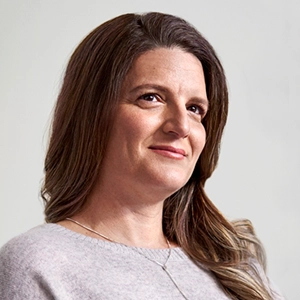
Rania Khalaf is Chief AI Officer at WSO2 and a global AI and cloud leader with a track record of driving innovation and building diverse, high-performing teams. Previously, she was CIO and Chief Data Officer at Inari, where she built data and AI-driven capabilities for food security and sustainability. As Director of AI Engineering and Distinguished Scientist at IBM Research, she advanced AI and cloud innovations, delivering them into open source, and to products in Watson and the IBM Cloud. She holds Bachelor's and Master's degrees from MIT and a PhD from the University of Stuttgart. Rania serves on academic and industry boards, driving impact in AI, sustainability, and education.
Rewriting Software with AI: Agents, GenAI & What’s Next?
AI isn’t just changing software development—it’s rewriting the playbook. From coding assistants to autonomous agents, AI is becoming a core part of how we build, integrate, and evolve software. But what does that mean for developers, and how does the software stack need to adapt? In this panel, we’ll dive into real-world lessons from building AI-powered dev tools, agent frameworks, and enterprise AI systems—unpacking what works, what doesn’t, and what’s next in AI-native development.
Speakers
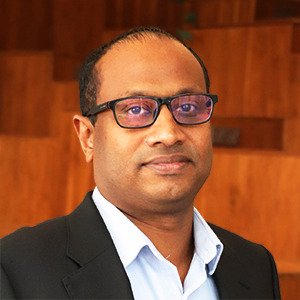
Malith is the head of research and AI at WSO2, orchestrating the company's AI initiatives and research efforts. He is instrumental in developing AI strategy and creating AI-powered product features, fostering a culture of innovation among the AI team for seamless project progression from inception to delivery. Malith also engages in collaborative research with academic institutions, aiding the advancement of computer science. He is a regular speaker at prominent developer events such as DeveloperWeek, the Global Big Data Conference, and DEV DAY, sharing insights and promoting knowledge exchange within the tech community. Malith has made significant academic contributions, publishing his work in journals like IEEE Transactions on Parallel and Distributed Systems (TPDS) and the Journal of Parallel and Distributed Computing (JPDC), and presenting at conferences such as IEEE Cluster, IEEE NCA, and DEBS. Malith holds a PhD in computer science from RMIT University in Australia.
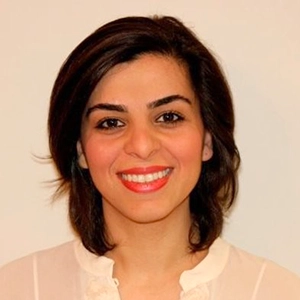

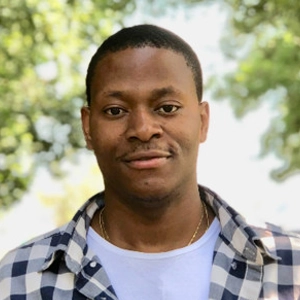

Victor Dibia is a Principal Research Software Engineer at Microsoft Research's AI Frontiers organization, where he leads work on multi-agent AI systems. He is a core contributor to AutoGen, a leading OSS framework for building multi-agent applications (40k stars on GitHub), and has led the development of AutoGen Studio, a no-code platform for prototyping agent workflows. His research spans generative AI, human-computer interaction, and applied machine learning, with publications at top conferences including ACL, EMNLP, and CHI. Victor has over 15 years of technology experience. Previously, he held engineering and research positions at Cloudera (building out the Cloudera Machine Learning platform and working with customers to implement ML solutions) and IBM Research. Victor holds a PhD from City University of Hong Kong and a Master's from Carnegie Mellon University.
Rania Khalaf is Chief AI Officer at WSO2 and a global AI and cloud leader with a track record of driving innovation and building diverse, high-performing teams. Previously, she was CIO and Chief Data Officer at Inari, where she built data and AI-driven capabilities for food security and sustainability. As Director of AI Engineering and Distinguished Scientist at IBM Research, she advanced AI and cloud innovations, delivering them into open source, and to products in Watson and the IBM Cloud. She holds Bachelor's and Master's degrees from MIT and a PhD from the University of Stuttgart. Rania serves on academic and industry boards, driving impact in AI, sustainability, and education.
From PoC to Production: AI at Enterprise Scale
Organizations have traditionally spent much time collecting data, training models, and testing them, making AI application development a slow and resource-intensive process. The rise of pre-trained models has significantly accelerated this. AI applications can be prototyped much faster by leveraging pre-trained models, augmenting them with external knowledge, and building AI agents that connect to tools capable of reasoning, decision-making, and execution. Despite these advancements, developers still face challenges in building AI apps and moving them from prototype to production.
Speakers
Malith is the head of research and AI at WSO2, orchestrating the company's AI initiatives and research efforts. He is instrumental in developing AI strategy and creating AI-powered product features, fostering a culture of innovation among the AI team for seamless project progression from inception to delivery. Malith also engages in collaborative research with academic institutions, aiding the advancement of computer science. He is a regular speaker at prominent developer events such as DeveloperWeek, the Global Big Data Conference, and DEV DAY, sharing insights and promoting knowledge exchange within the tech community. Malith has made significant academic contributions, publishing his work in journals like IEEE Transactions on Parallel and Distributed Systems (TPDS) and the Journal of Parallel and Distributed Computing (JPDC), and presenting at conferences such as IEEE Cluster, IEEE NCA, and DEBS. Malith holds a PhD in computer science from RMIT University in Australia.
Natural Programming
With the emergence of generative AI, LLMs, and Copilots, software development is increasingly evolving into a process of co-creation with computers. In contrast to the traditional view of code being for machines and natural language being for humans, this evolution allows humans and computers to express intent and actions in both natural language and programming languages.
Speakers
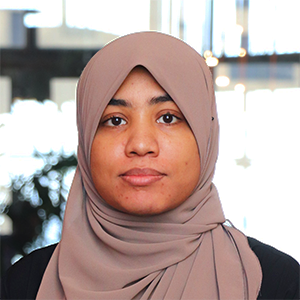
Maryam is a senior technical lead at WSO2 with over seven years of experience in the industry. She is a core member of the teams working on the design and the implementation of the Ballerina language, with special focus on the core language and the compiler. Having worked on building a knowledge base for the support team during her internship at WSO2, she rejoined WSO2 as an employee and initially contributed to the WSO2 integration product stack before moving to the Ballerina team, where she has contributed to the design and implementation of features across the platform. She also works closely with current and potential users to share her expertise and provide design and usage feedback.
The OpenAPI Doctor
Have you heard of Princess Beef’s open-source OpenAPI tools—vacuum, wiretap, and openapi-changes? Maybe you already use them in your pipelines or dev cycle. But here’s the catch: they were all built to work together as parts of something much bigger. Join me to discover “the doctor,” a next-level API-first design and exploration tool that brings everything together in one sleek, powerful package. Get ready to see your API workflow in a whole new light!
Speakers

Quobix is the founder of Princess Beef Heavy Industries LLC (pb33f) and a Distinguished Engineer at Cisco. He is a hacker, engineer, and problem-solver dedicated to open source software. Since 2023, pb33f has delivered advanced OpenAPI and API tooling—including vacuum, openapi-changes, libopenapi, and The Doctor—benefiting organizations by transforming design, governance, change detection, testing, and compliance. Quobix regularly speaks on OpenAPI and related tools and provides expertise and consultancy to the OpenAPI technical committee.
Integration Lessons: Building Scalable Systems at Hyatt
This session explores the challenges and solutions involved in transforming Hyatt's integration landscape. As a global leader in hospitality, Hyatt faced hurdles such as transitioning legacy systems to modern cloud architectures, integrating diverse platforms, addressing organizational silos, and standardizing processes.
Speakers

Brian Mericle, AVP of Integrations at Hyatt, leads integration efforts across a diverse portfolio of franchise, managed, and owned properties. With a focus on addressing the operational needs of a global leader in hospitality, Brian is passionate about solving integration challenges across complex ecosystems.
Artur is a software engineer at Hyatt, specializing in the development of the company's integration highway. With a focus on creating scalable and adaptable systems, Artur is dedicated to building a robust foundation to support Hyatt's future integration needs.
Understanding Open Source: A Primer for the Modern Era
Open source originated in the 1980s to support academic and hobbyist communities. By the 2000s (when WSO2 was launched) there was an explosion of open source products for commercial use. Today open source underpins the digital economy, but its role continues to evolve. For many of us, we’ve only seen a small part of this evolution during our careers and perhaps don’t realize the extent of change occurring in the open source ecosystem.
Speakers
Jonathan became active in the open standards movements in the late 1990s, actively contributing to the development of XML, XSL and early Web Services specifications. He joined WSO2 in 2006 shortly after its founding and has participated in a number of open source projects.