





Rewriting Software with AI, Agents, and What’s Next?
AI isn’t just changing software development—it’s rewriting the playbook. From coding assistants to autonomous agents, AI is becoming a core part of how we build, integrate, and evolve software. But what does that mean for developers, and how does the software stack need to adapt? In this panel, we’ll dive into real-world lessons from building AI-powered dev tools, agent frameworks, and enterprise AI systems—unpacking what works, what doesn’t, and what’s next in AI-native development.
Speakers
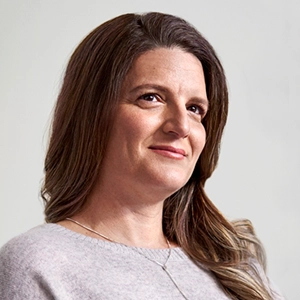

Rania Khalaf is Chief AI Officer at WSO2 and a global AI and cloud leader with a track record of driving innovation and building diverse, high-performing teams. Previously, she was CIO and Chief Data Officer at Inari, where she built data and AI-driven capabilities for food security and sustainability. As Director of AI Engineering and Distinguished Scientist at IBM Research, she advanced AI and cloud innovations, delivering them into open source, and to products in Watson and the IBM Cloud. She holds Bachelor's and Master's degrees from MIT and a PhD from the University of Stuttgart. Rania serves on academic and industry boards, driving impact in AI, sustainability, and education.
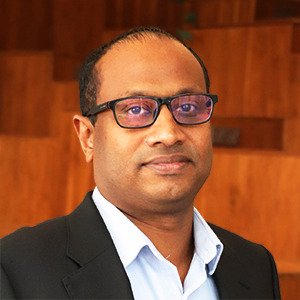
Malith is the head of research and AI at WSO2, orchestrating the company's AI initiatives and research efforts. He is instrumental in developing AI strategy and creating AI-powered product features, fostering a culture of innovation among the AI team for seamless project progression from inception to delivery. Malith also engages in collaborative research with academic institutions, aiding the advancement of computer science. He is a regular speaker at prominent developer events such as DeveloperWeek, the Global Big Data Conference, and DEV DAY, sharing insights and promoting knowledge exchange within the tech community. Malith has made significant academic contributions, publishing his work in journals like IEEE Transactions on Parallel and Distributed Systems (TPDS) and the Journal of Parallel and Distributed Computing (JPDC), and presenting at conferences such as IEEE Cluster, IEEE NCA, and DEBS. Malith holds a PhD in computer science from RMIT University in Australia.
The Road to an Intelligent, Platformless Future
Modernization is being driven by rapidly evolving business requirements and shifting user expectations—demanding systems and teams that are adaptable by design. As AI becomes embedded in enterprise architecture, modernization moves from a nice-to-have to a must-have. This session breaks down how modularity, autonomy, composability, and mindset—across both systems and people—enable an intelligent, platformless future.
Speakers
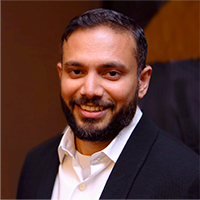
Asanka's goal is to connect humans and technology by educating the community and helping organizations become digitally driven. Despite having high-level technical objectives, he truly enjoys writing code. He shares his knowledge on various technical topics by creating content like articles, blogs, and podcasts to educate the community. Additionally, he engages with the community through speaking engagements and conducting workshops. He strives to be a trusted advocate for digital strategists, helping enterprises transform into digital-driven organizations. With over 20 years of industry experience, he has gained valuable insights into designing and implementing highly scalable distributed systems, microservice architectures, and business integration solutions. His areas of specialization include application architecture and development using modern programming technologies.
Future of Humanity
Our world seems to be drowning in bad news: wars, tariffs, climate change. Pessimism is conquering our zeitgeist, especially in the Western world. And there are structural forces driving some of this pessimism: the relative decline of the West, the US-China geopolitical contest, and climate change.
Speakers
Evolution of AI Agents
The field of intelligent agents has seen significant advancements, evolving from early rule-based systems to increasingly autonomous and collaborative entities capable of complex decision-making. This talk examines the progression of agent-based systems in terms of complexity, autonomy, and coordination. It places particular emphasis on the emergence of multi-agent systems (MAS), covering topics such as agent-to-agent communication, protocols like the Model Context Protocol (MCP), the importance of rigorous evaluation, and the role of guardrails in ensuring safe and aligned behavior.
Speakers
Malith is the head of research and AI at WSO2, orchestrating the company's AI initiatives and research efforts. He is instrumental in developing AI strategy and creating AI-powered product features, fostering a culture of innovation among the AI team for seamless project progression from inception to delivery. Malith also engages in collaborative research with academic institutions, aiding the advancement of computer science. He is a regular speaker at prominent developer events such as DeveloperWeek, the Global Big Data Conference, and DEV DAY, sharing insights and promoting knowledge exchange within the tech community. Malith has made significant academic contributions, publishing his work in journals like IEEE Transactions on Parallel and Distributed Systems (TPDS) and the Journal of Parallel and Distributed Computing (JPDC), and presenting at conferences such as IEEE Cluster, IEEE NCA, and DEBS. Malith holds a PhD in computer science from RMIT University in Australia.
Lessons from Leading Modernization
Speakers
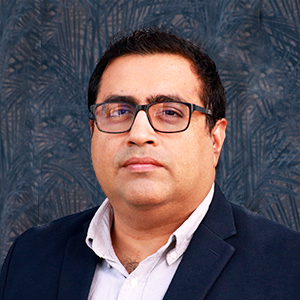
As the Head of Solution Architecture for APIM at WSO2, Vidura is responsible for shaping technical direction with product teams and addressing customer needs. As a Field CTO, he collaborates with global customers to craft strategic roadmaps, offering technical guidance and architecture strategies for digital experiences. With over 25 years of global experience across finance, logistics, aviation, and energy, Vidura brings deep expertise. He holds a Ph.D. in Computer Science from RMIT University, Australia.
Brands and Architecture Working Together
In this special live episode from WSO2Con Asia, we sit down with two visionary founders to explore how brands are built—through people, vision, and purpose. We discuss the value of the brand for architects, from influencing technology choices to shaping trust and long-term adoption. The conversation connects personal and product branding with platform strategy, offering a fresh perspective on why brand awareness matters in the modern digital era.
Speakers
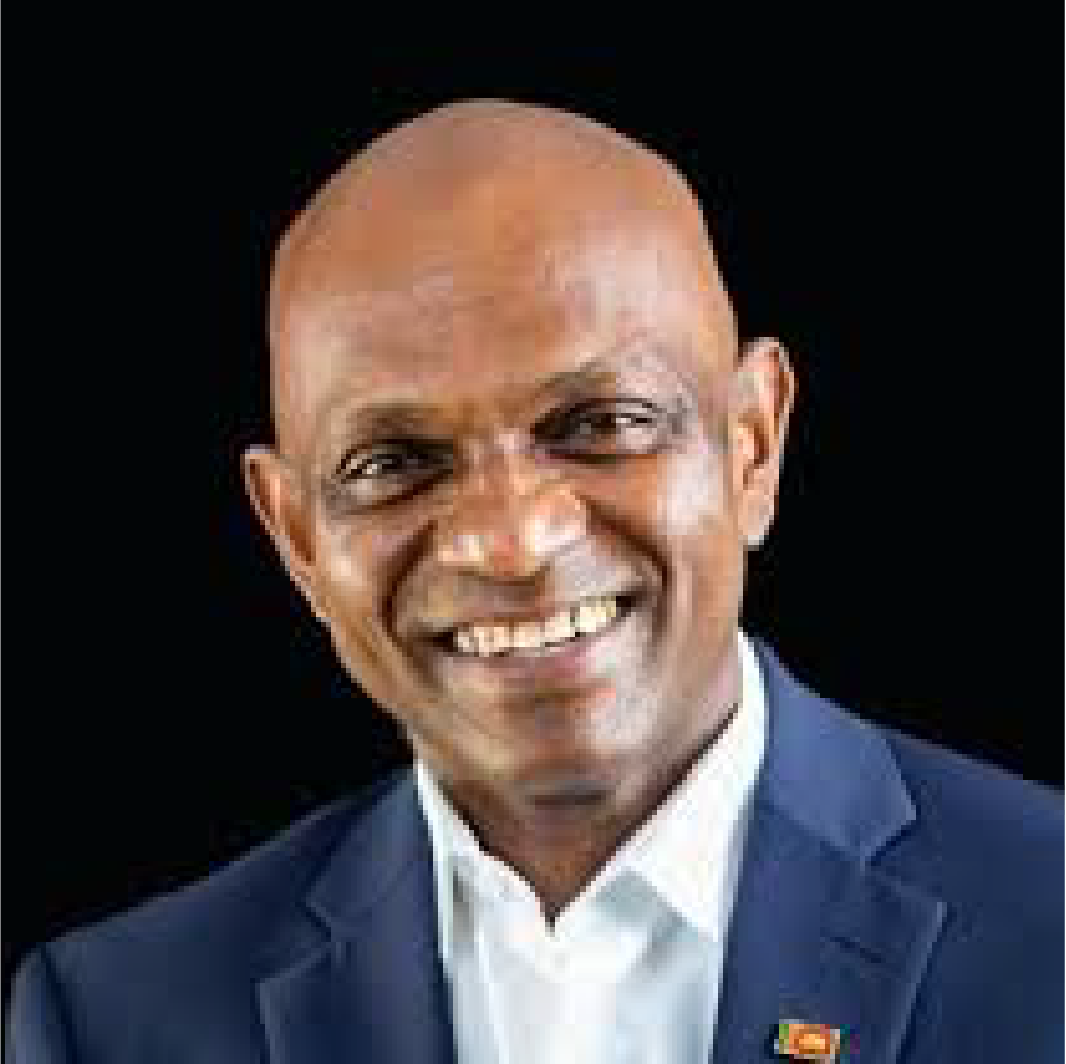
Sanjiva Weerawarana is the founder and CEO of WSO2. With a background in IBM Research, he co-authored key Web services standards. Sanjiva's commitment to open source led him to establish the Lanka Software Foundation and contribute to Apache projects. He's also an educator and an influential advocate for open source participation from developing nations. His journey is one of innovation and leadership in reshaping the software industry.
Asanka's goal is to connect humans and technology by educating the community and helping organizations become digitally driven. Despite having high-level technical objectives, he truly enjoys writing code. He shares his knowledge on various technical topics by creating content like articles, blogs, and podcasts to educate the community. Additionally, he engages with the community through speaking engagements and conducting workshops. He strives to be a trusted advocate for digital strategists, helping enterprises transform into digital-driven organizations. With over 20 years of industry experience, he has gained valuable insights into designing and implementing highly scalable distributed systems, microservice architectures, and business integration solutions. His areas of specialization include application architecture and development using modern programming technologies.
Natural Programming
As Generative AI and Large Language Models (LLMs) become more accessible, alongside tools like Copilots, the software development process is evolving. Natural language is becoming a central part of how we write, reason about, and maintain software. Development is increasingly a collaborative effort between humans and machines, where both express intent and actions in a mix of natural and programming languages.
Speakers
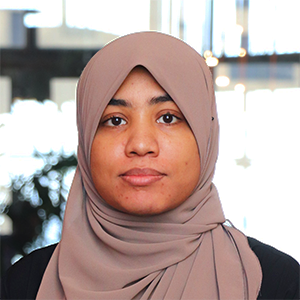
Maryam is a senior technical lead at WSO2 with over seven years of experience in the industry. She is a core member of the teams working on the design and the implementation of the Ballerina language, with special focus on the core language and the compiler. Having worked on building a knowledge base for the support team during her internship at WSO2, she rejoined WSO2 as an employee and initially contributed to the WSO2 integration product stack before moving to the Ballerina team, where she has contributed to the design and implementation of features across the platform. She also works closely with current and potential users to share her expertise and provide design and usage feedback.
From Footpaths to Ecosystems
In a world obsessed with platforms, ecosystems, and technology stacks, sometimes the boldest innovations are deceptively simple, and profoundly human. In this keynote, Miguel Cuñat, founder of the Pekoe Trail, will explore how building a 300km hiking route through Sri Lanka’s tea country became a case study in “platformless modernization.”
Speakers
The Modernization Playbook: Digital Transformation Across Industries & Regions
The path to digital transformation is fraught with challenges, from navigating complex regulations to dismantling entrenched legacy systems.
This panel brings together leaders from diverse sectors and regions to share their real-world modernization stories.
Speakers
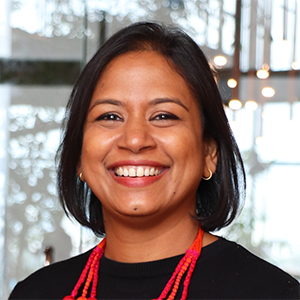
Seshika plays a vital role in helping banks worldwide optimize and accelerate their digital initiatives. With her deep understanding of technology and its application in the financial sector, she provides valuable guidance and expertise to financial institutions, working closely with governments, regulatory bodies, and financial institutions across the globe. She frequently speaks at international technology conferences, where she shares her insights and expertise on various topics such as open banking, security and privacy, digital identity, data science, and digital transformation.
Vertical AI – Industry Innovation in an AI Age
The AI revolution is rapidly becoming more specialized. Going beyond generic solutions, Vertical AI develops tailored intelligent systems, including advanced AI agents, to tackle specific industry challenges and unlock new opportunities within specific industries. This talk explores the immense potential for businesses to achieve unprecedented innovation by adopting AI solutions tailored to their particular needs.