

Access Control
Ensure that each application, API, and resource can only be accessed by the right individuals, under the right circumstances.
Prevent unauthorized access, minimize data breaches, and ensure compliance.

What is Access Control?
Access control is a vital security measure that restricts access to sensitive applications, data, and APIs within an organization. It prevents unauthorized access, minimizes data breaches, and ensures compliance.
Adaptive access control provides a more dynamic, tailored level of access protection. It combines authentication with authorization to enact security policies that adapt to each login’s unique circumstances.
Users are granted immediate access to resources when they meet the security policy criteria that govern access to those resources. If the criteria are not met, they’re prompted to provide additional authentication, such as a one-time passcode (OTP), before access is allowed.
Benefits of Access Control
Prevent Unauthorized Access
The most basic benefit is that adaptive access control only grants access to applications, APIs, and resources for the right individuals. Access is prevented for users that don’t meet the criteria defined in access policies.

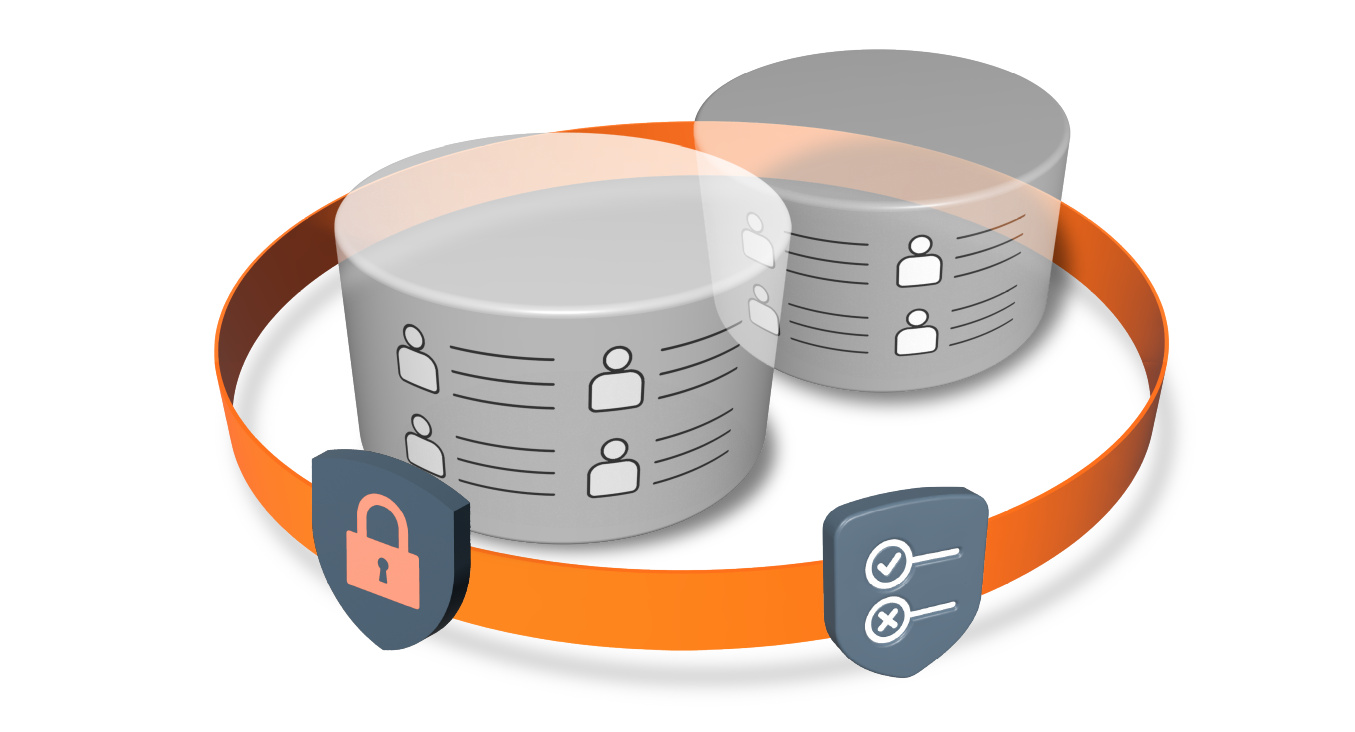
Enhance Data Security
Access control provides a key layer of protection. It helps ensure the confidentiality, integrity, and availability of data by ensuring the wrong actors are denied access.
Reduce Risk of Data Breaches
Nearly all data breaches occur when unauthorized individuals gain access to sensitive apps, data, and resources. Access control minimizes the likelihood of data leaks for theft.
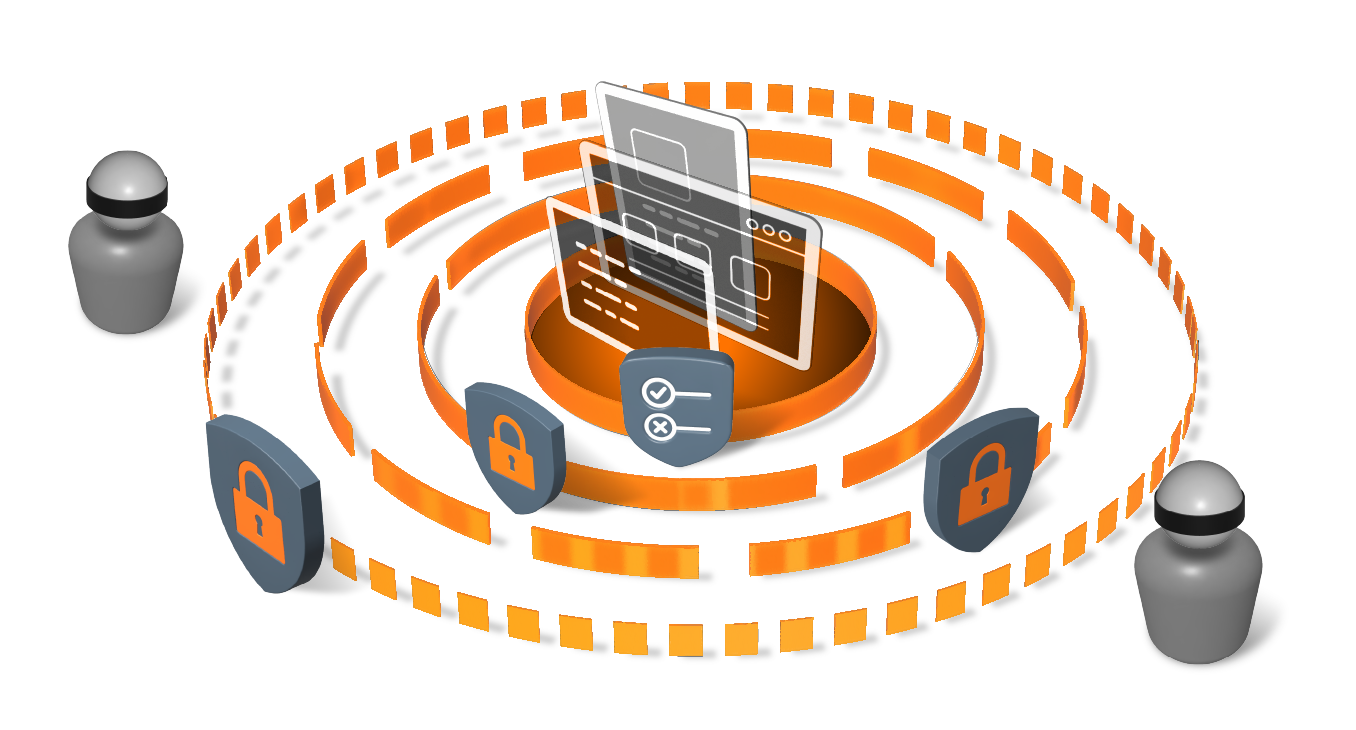

Improve Users’ Experience
Smart access control policies enforce the right amount of security for each access grant. This allows less stringent authentication requirements for lower-risk access requests, streamlining the user experience wherever possible.
Comply with Regulations
Every security regulation requires robust access controls to prevent unauthorized access to sensitive data. Access control helps organizations meet industry-specific compliance requirements.
How Does Adaptive Access Control Work?
There are multiple ways access control can be used to ensure proper access.
Role-Based Access Control
Role-based access control (RBAC) assigns and enforces permissions based on a user's role or job function within an organization.
Attribute-Based Access Control
Attribute-based access control (ABAC) grants or denies access based on attributes of the user, resource, and environment, such as location, resource type, resource ownership, and even time of day.

Relationship-Based Access Control
Relationship-based access control (ReBAC) allows access decisions to be based on the relationships between entities, including users, devices, resources, and more.
OAuth Scopes-Based Access Control
This method provides a granular level of control over API functionality, allowing developers to selectively expose different parts of their APIs to different users or applications.