

Introducing Moesif-Powered API Analytics in WSO2 API Manager

- Md Abu Sakib
- Consultant, Engineering, WSO2
APIs are no longer just simple integration interfaces. As AI models, agents, and digital ecosystems become increasingly interlinked, APIs have become products. They have their own usage patterns, costs, and business implications. To make informed, data-driven, and business decisions, you require deep visibility into your systems.
To address these challenges, the latest v4.6.0 release of WSO2 API Manager includes a dedicated API intelligence engine, powered by Moesif. This feature offers a refined and more integrated way to acquire actionable insights into API performance, usage, and product health, leveraging Moesif’s specialized analytics tools.
How it works
Starting with WSO2 API Manager version 4.6.0, Moesif-powered API analytics replaces Choreo Analytics through Moesif Basic Insights. It is available free of cost for all customers having a valid WSO2 API Manager subscription.
The integration captures both successful and failed API events in your WSO2 API Manager instance and publishes them to Moesif in near real-time.
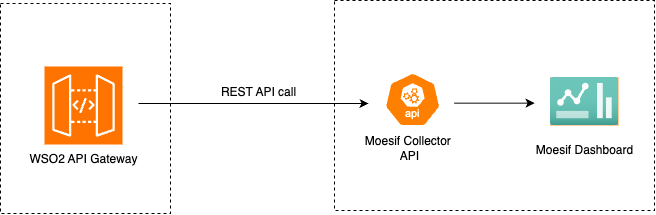
Figure 1: A high-level diagram illustrating how Moesif-powered analytics works in WSO2 API Manager
Moesif Basic Insights divides analytics and observability features across these four components, similar to WSO2 API Manager’s analytics architecture in previous releases:
- Inbound Analytics provides analytics for requests and data between the user and API proxy
- Outbound Analytics provides analytics for requests and data between the API proxy and the backend service
- AI Analytics provides purpose-built outbound analytics for AI APIs
- Alerting contains alert history and allows you to create new alert rules and manage existing ones
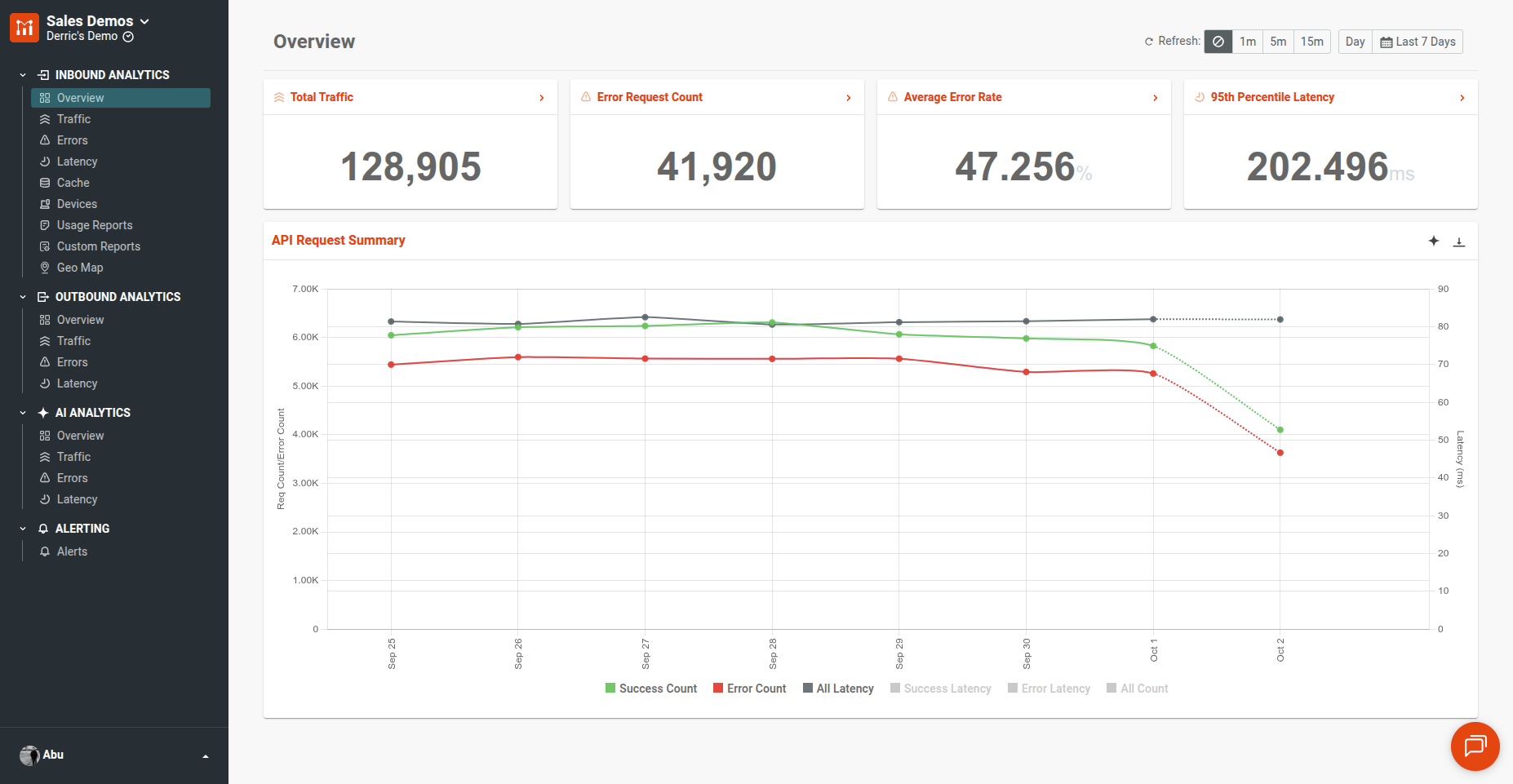
Figure 2: Moesif Basic Insights provides a high-level overview of various API metrics
API analytics to measure and increase business value
Every mobile app, partner integration, and AI model now communicates through APIs. Looking at Postman’s 2025 State of the API Report, 65% of organizations generate revenue from their APIs. With a progressively AI-driven economy, that number will rise and make APIs more intrinsic to business strategies.
Consequently, you must maintain constant, unified, and methodical visibility into those APIs’ performance and value propositions. You don’t want data fragmentation: logs and metrics set up across separate tooling; each describes part of the picture, but none explains the reason behind API behaviors, and therefore, business outcomes and trajectories. Moesif’s analytics unifies all analytics data across your existing APIs and makes them available in a central plane for actionable insights.
An API driving internal AI agents or external customers directly affects experience and revenue. When latency spikes affect such an API, for example, it lowers conversion, degrades personalization, and exacerbates churn. The same applies to AI APIs. Not having the right analytics results in teams not being able to quantify these impacts or make rational optimization decisions.
So, over the years, the term API analytics has started to encompass more than reliability metrics like latency and status codes. How can you leverage them or go beyond for product- and platform-specific insights? For example:
- Which APIs drive the most engagement or revenue?
- How are AI tokens distributed across vendors or applications?
- Which API, application, or specific product versions consistently face latency issues?
WSO2 API Manager has long provided the infrastructure for API publishing, security, and governance. Organizations are scaling to hundreds or thousands of APIs that span human, machine, and AI consumers using WSO2 API Manager. We want to better empower them with a future-proof and forward-looking intelligence layer that scales. That layer will not only capture traffic but help interpret it. It will link API performance to customer and business upshots. The new Moesif-powered analytics in WSO2 API Manager will transform observability data into coherent insights about adoption, reliability, and growth.
Enhanced, AI-ready analytics in WSO2 API Manager
Moesif is an industry leader in analytics, observability, and monetization in API and AI products. By integrating their expertise and platform through an out-of-the-box integration, we are upgrading how you observe, understand, and act on your API data. We want to make sure that our customers possess the most powerful and intuitive tools directly within the existing WSO2 API Manager platform for extensive product intelligence.
Moesif captures detailed telemetry from API events, both inbound and outbound, across all APIs, applications, and targets, in real time. The integration is lightweight, secure, and asynchronous. It has no impact on runtime performance or policy enforcement. The integration completes with just two changes in your WSO2 API Manager instance’s deployment configuration file, taking about 5 to 10 minutes. WSO2 API Manager analytics grows with your product, as traffic volume and complexity increases, equally suited for microservice-heavy environments, edge deployments, or AI-driven APIs.
What does this mean for your organization? Your teams have access to consolidated analytics organized into dashboards and workspaces, which translate your product’s generated data into definitive business and product insights. Moesif offers different ways to observe your APIs, meaning stakeholders of varying expertise and responsibilities can benefit from API analytics. For example:
- Developers can identify slow endpoints or error spikes.
- Product teams can dig into most frequently called APIs and their customers.
With this release, WSO2 API Manager solves the disconnect between operational visibility and business understanding. It helps you see the narratives behind metrics: how API traffic shapes user journeys, adoption distribution across regions, and where performance degradation precipitates lost opportunities.
Key use cases and capabilities
Troubleshooting performance issues
Slow and erratic APIs create poor experiences for both developers and end users, lead to customer churn, and can potentially violate SLAs.
Latency analytics in Moesif Basic Insights provides immediate, visual breakdowns of your API performance. It calculates 95th percentile latency across all your APIs and backends, providing insights about the slowest APIs, backend latency, and request and response mediation times.
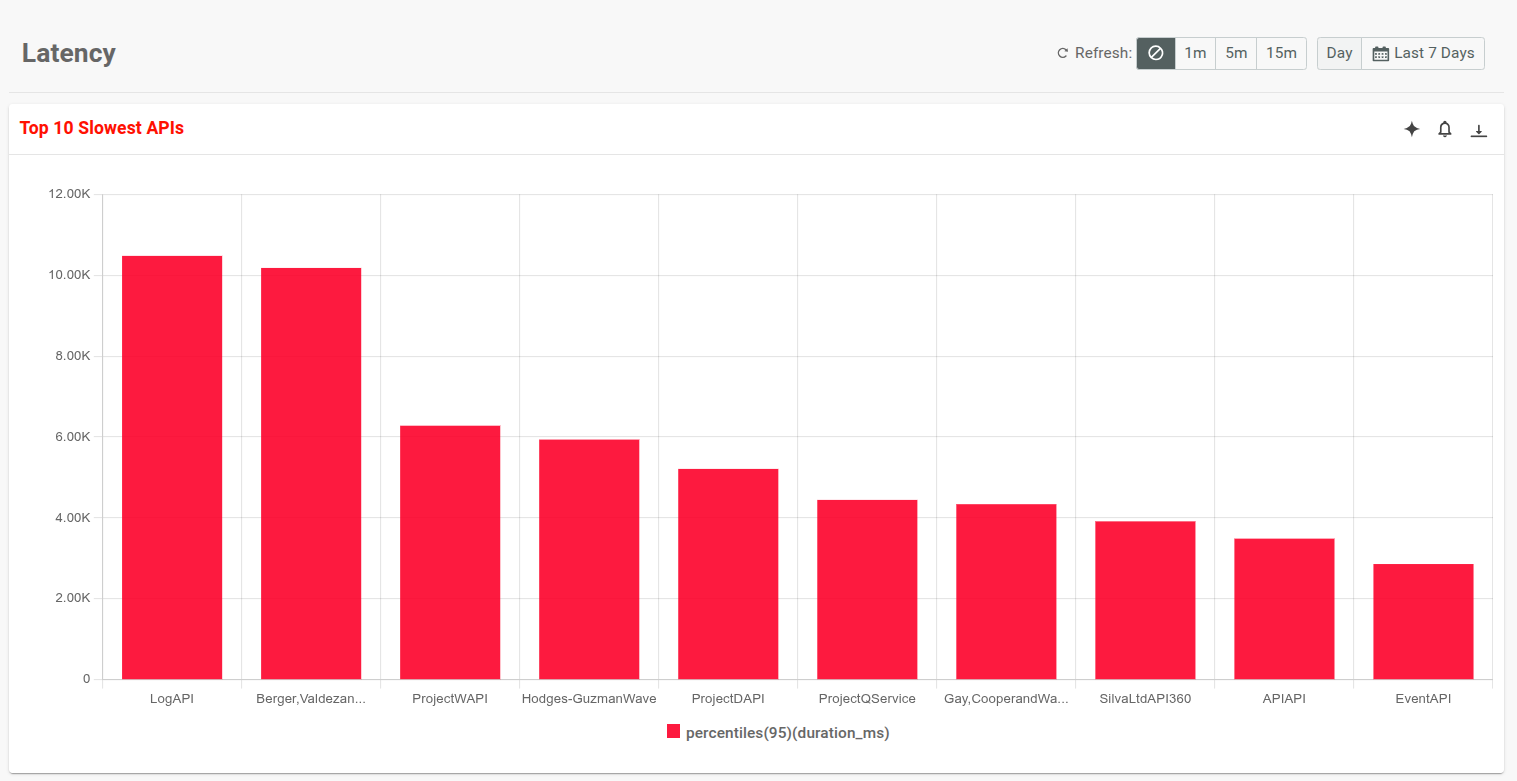
Figure 3: Latency analysis helps you monitor how your APIs are performing in production
This allows you to investigate and resolve performance issues faster. By proactively optimizing slow services, you can improve application reliability and customer satisfaction, and ensure you meet your service level agreements.
Observability for AI and LLM workloads
WSO2 API Manager now has first-class support for tracking token usage (total, prompt, and completion) across vendors and applications, vendor-specific latency, and error analysis by target and status codes. You can break them down by provider name, version, and specific model.
This allows platform teams to control costs and make sure customers enjoy consistent and accurate functionalities as promised. For example, you may notice a specific model consuming more compilation tokens than usual; it might indicate inefficient prompts or runaway inference loops. Meanwhile, product managers can correlate token consumption with usage tiers or revenue segments.
Error and reliability insights
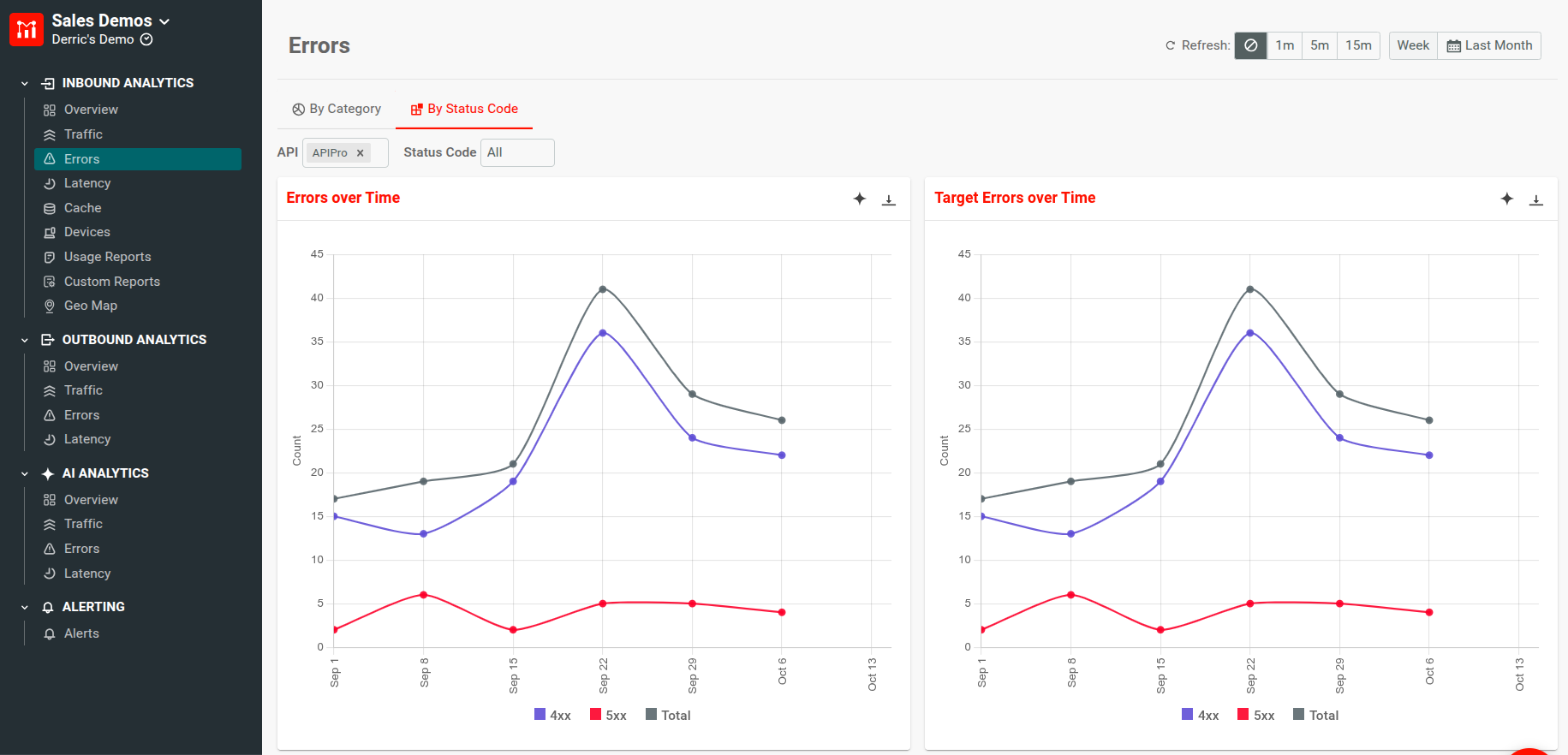
Figure 4: Understanding API errors allows for a positive impact on technical operations and business results
Every API error carries a cost. Moesif’s error analytics in WSO2 API Manager allow engineers to visualize error motifs by API, category, or status code. It quickly leads you to the consumers or endpoints suffering the most from instability. For example:
- Recurrent 5xx errors from a single application might imply server-side issues.
- If you observe 4xx errors, there might be malformed requests or version mismatches at play, which, in the end, might point to miscommunication, inadequate documentation, or onboarding gaps.
More advanced features, for example, allow you to:
- Jump to associated API event logs for an error analysis dimension like status code, with the same analytics criteria applied.
- Create alert rules for monitoring from time series analyses.
This way, individual teams can prioritize failures that impact customers and establish alert thresholds tied to SLA or SLO objectives. Engineering aligns with quantifiable outcomes rather than triages based on isolated stories or observations.
Alerts and real-time monitoring
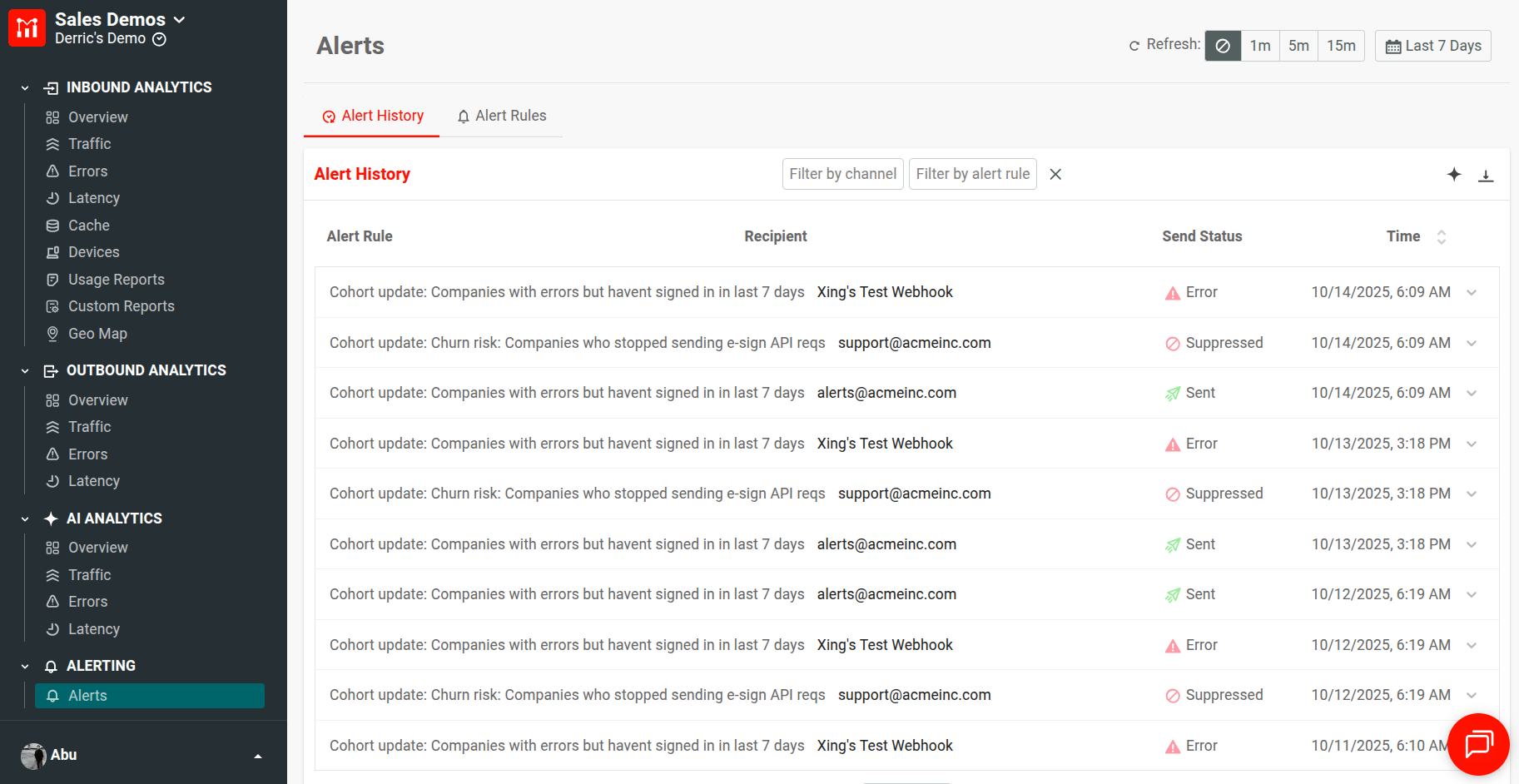
Figure 5: An intuitive, configurable, and retrospective alerting system helps maintain robust API monitoring
An effective observability system drives action in addition to keeping teams abreast of mission-critical occurrences. The alerting system in WSO2 API Manager can create data-driven triggers that monitor and respond to deviations in real time, and dispatch those alerts to specified recipients. You can monitor unanticipated error rate, traffic surge, or token overages. Alerts are configurable to metrics that matter most to each team; for example, latency for SRE, request volume for product managers, and so on. Moesif Enterprise allows you to specify custom metrics, as well as dynamic alerts.
Alerts, powered by the same platform, unify signals across your API stack. The other end of that spectrum is fragmented alerts from gateways and backends; instead, WSO2 API Manager combines traffic, errors, and user segments to help organizations react with precision, faster, and smarter.
Location and platform insights
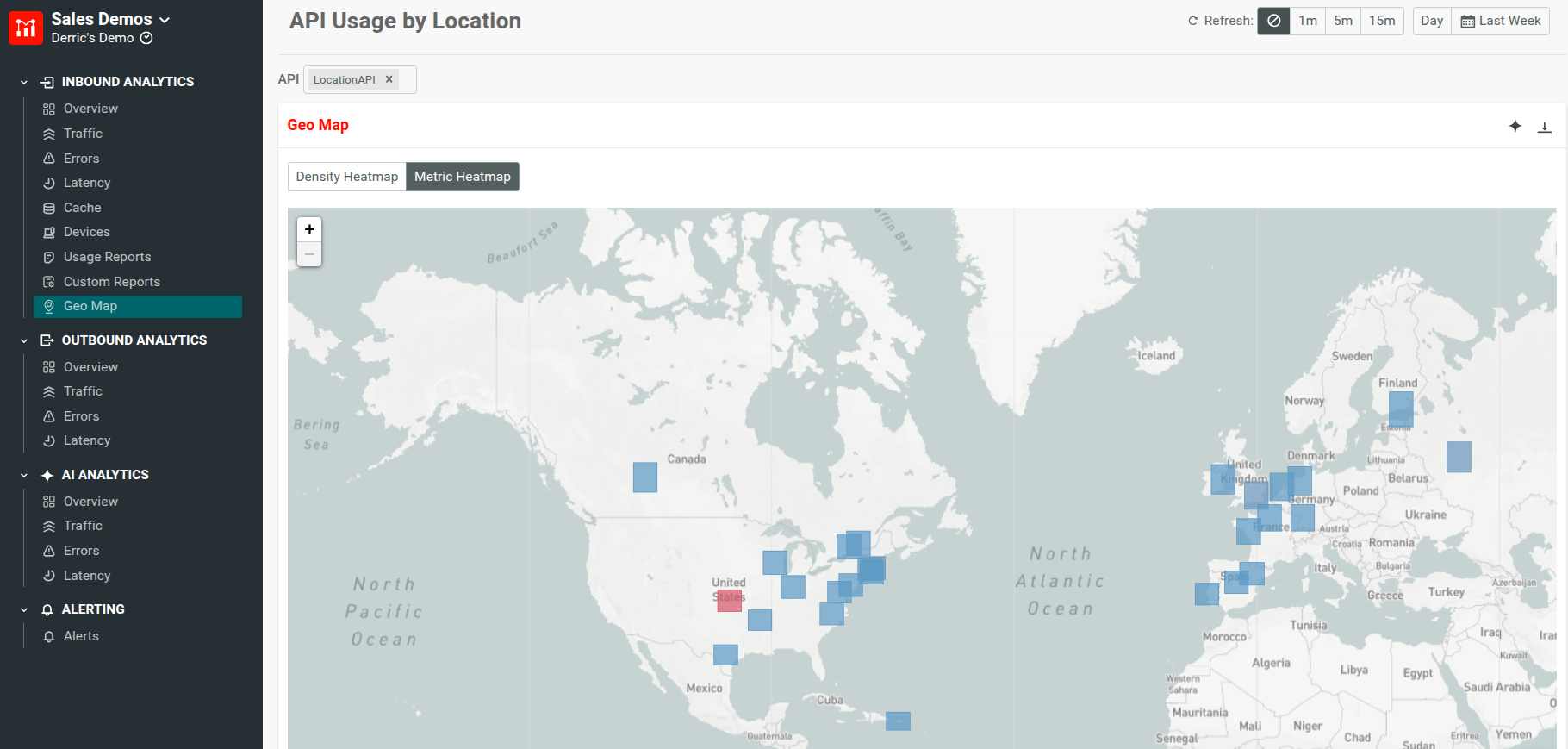
Figure 6: You can observe your API’s adoption by geographic region in real time in an interactive map
Using geographic heatmaps and device analytics, you can visualize consumption by geography, platform, and user agent. This allows you to better plan major product decisions, investments, and expansion strategies.
For example, you can propose a regional edge deployment if you observe that the majority of API traffic originates from that said region. You may notice that API errors stem from legacy SDK versions on specific devices, providing cognizance into deprecation timelines.
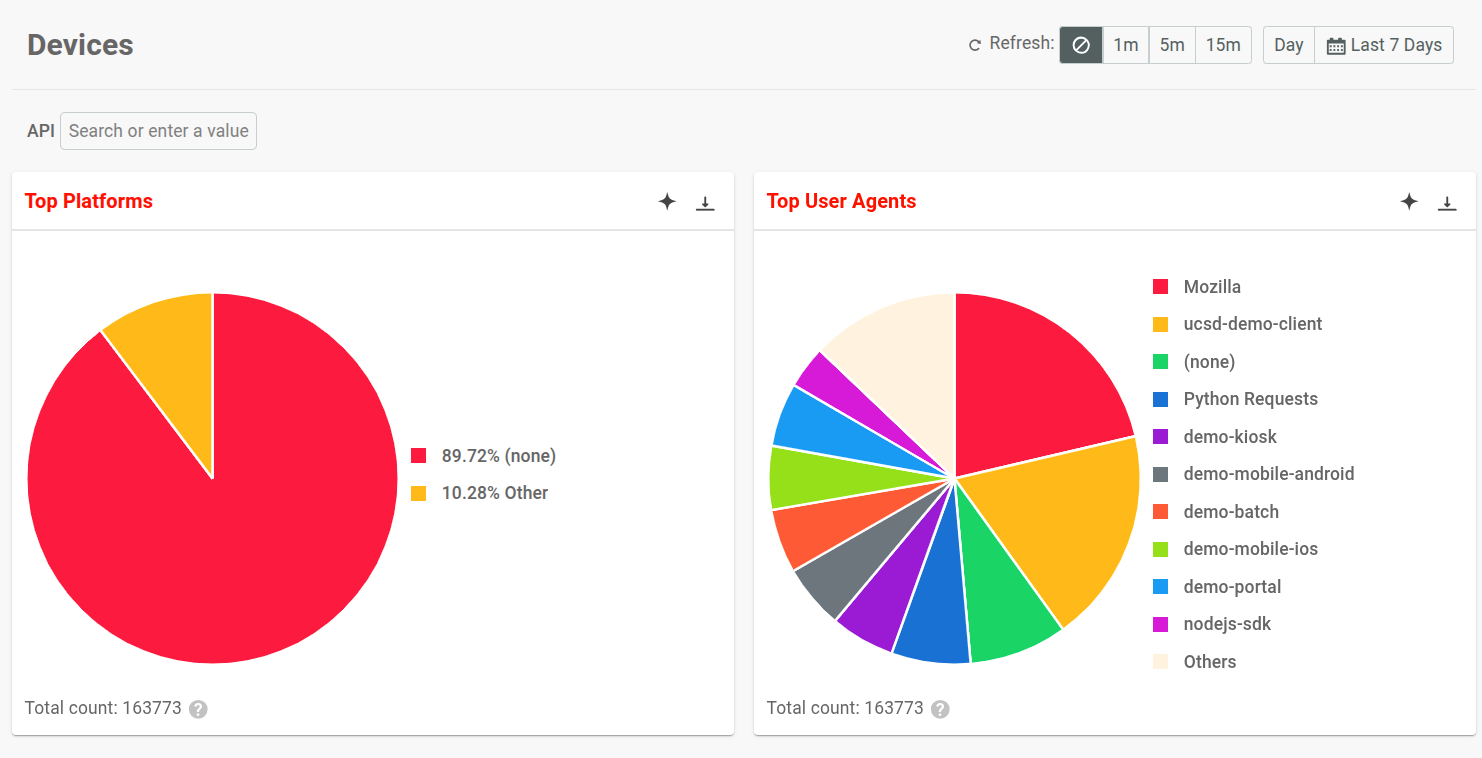
Figure 7: You can support more use cases and improve user experiences by identifying the platforms your customers are using
By grounding API data in context, WSO2 API Manager analytics helps engineering and business teams make evidence-backed operational decisions.
Accessible reports and analytics
The usage report features in WSO2 API Manager analytics provide customizable, exportable analytics reports for audit, governance, and more; they can also support cost management strategies like internal chargebacks. You can generate reports by API- and application-specific data, platform, and more, with options to categorize the analytics by multiple entities and select multiple metrics.
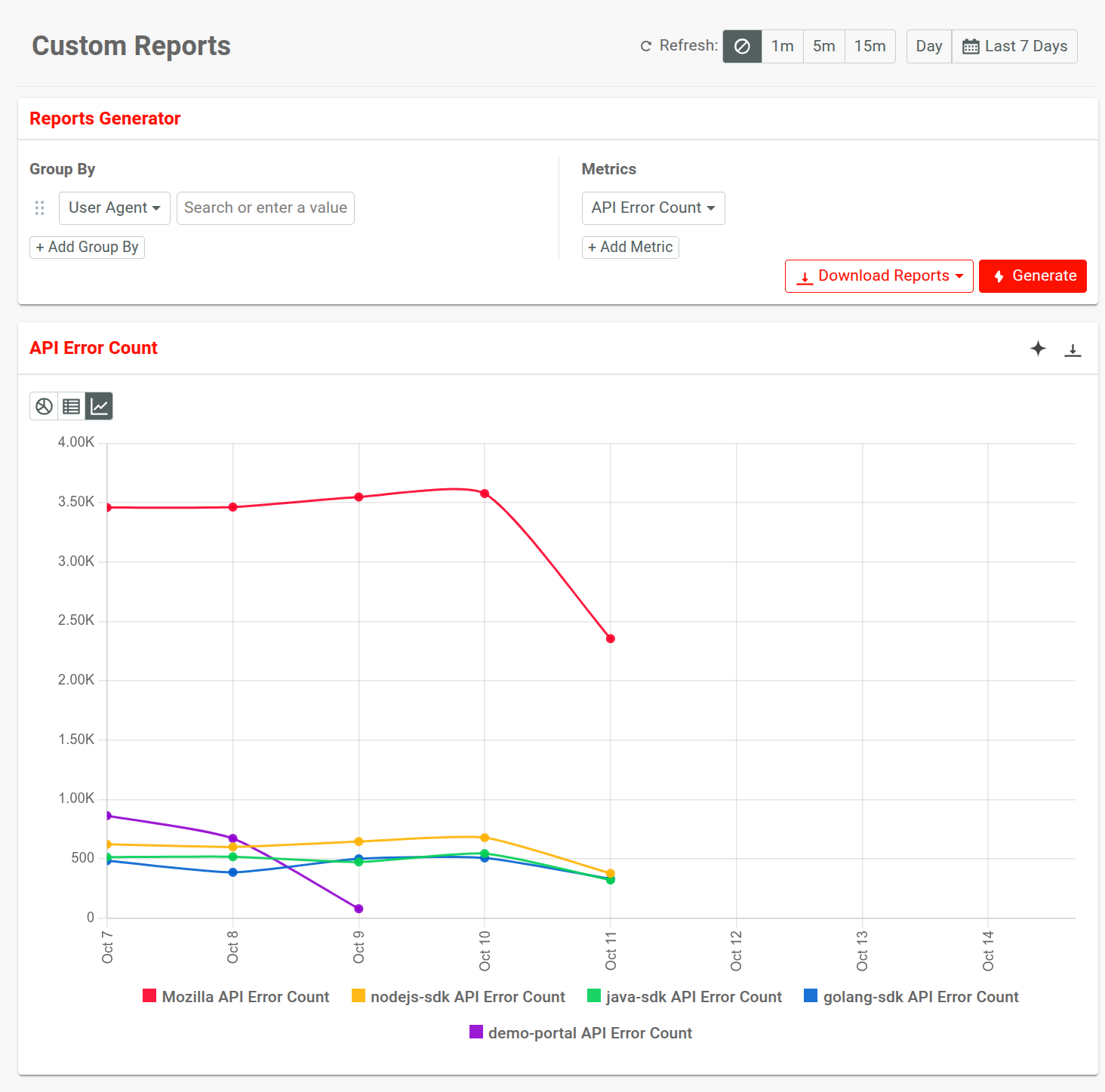
Figure 8: Moesif Basic Insights makes it easy to generate and access analytics reports without external tools
Moesif Enterprise users can also access embedded templates that offer more features to securely share and embed metrics.
This makes analytics more accessible; you can feed the data into internal billing systems, workflows, executive reports, or optimization initiatives, cutting out the inconvenience of manually creating reports or spreadsheets. It makes communication easier among stakeholders, as each of them understands how APIs drive value across the organization, justifying future investments.
Get started
To get started, follow the instructions in Moesif Analytics integration docs.
Next steps
WSO2 API Manager’s latest release leverages Moesif’s leading expertise as a purpose-built analytics and observability platform for API and AI products. By doing so, we are able to empower organizations to grow through data-informed business decisions and engineering efforts.
Moesif Basic Insights provides fast and easy access to valuable insights into your product and customers, free of cost under your existing API Manager subscription, requiring no complex setup or instrumentation. To support enterprise’s evolving requirements, the integration also provides a simple upgrade path to Moesif Enterprise, containing more advanced features:
- Advanced API and customer behavior analysis
- API monetization
- Configurable workspaces and dashboards to organize analytics
- Advanced and custom API monitoring and alerting with anomaly detection
- AI–powered insights through AI Explain
- Embeddable metrics
If you have any questions or want to chat, contact us.